Authored by: Bryan Lachapelle, President & CEO
 October is Cybersecurity Awareness Month, which makes it a good time to ask a simple question:
How much of what your business believes about cybersecurity is actually true?
Cybersecurity advice gets repeated so often that outdated information can start to sound like fact. The problem is that those assumptions can create gaps in your security without anyone realizing it.
At B4 Networks, we work with businesses across Niagara, Hamilton, Simcoe County and the GTHA, and we regularly see businesses that have invested in cybersecurity but still have misconceptions about how protected they actually are.
Here are six common cybersecurity myths and what businesses should know instead.
Myth 1: "We're Too Small for Cybercriminals to Target"
One of the biggest cybersecurity misconceptions is that cybercriminals only target large companies. In reality, cybercriminals often look for opportunities rather than company size. If your business has vulnerable accounts, weak passwords, exposed systems or valuable information, it can become a target.
Small and medium-sized businesses can hold customer information, financial data, employee records and credentials that attackers can use or sell. They can also provide access to customers, vendors and other organizations.
The reality: Your business does not need to be large to be valuable to a cybercriminal.
Myth 2: "Our Employees Would Recognize a Phishing Email"
Phishing emails are not always filled with obvious spelling mistakes and strange links anymore. They can look polished and professional. They can imitate executives, vendors and other people your employees regularly communicate with.
AI can make these scams even more convincing. Instead of relying only on how an email looks, employees should think about the request itself. Is someone asking for an unusual payment? Have banking instructions suddenly changed? Is someone requesting sensitive information? Does an unexpected link want you to sign in?
When something does not feel right, employees should know how to stop and verify the request through another trusted method.
The reality: A convincing email can still be a cyberattack.
Myth 3: "MFA Means Our Accounts Are Fully Protected"
Multi-factor authentication, or MFA, is an important cybersecurity control. But it does not make an account invulnerable.
Attackers may use techniques such as MFA fatigue or prompt bombing, repeatedly sending authentication requests in the hope that someone eventually approves one. That is why employees should understand that an unexpected MFA request can itself be a warning sign. MFA is most effective when it is part of a broader cybersecurity strategy that includes strong passwords, account monitoring, employee awareness and other security controls.
The reality: MFA significantly strengthens security, but it should not be your only line of defence. The original article makes this same distinction, noting that MFA needs support from the security controls around it.
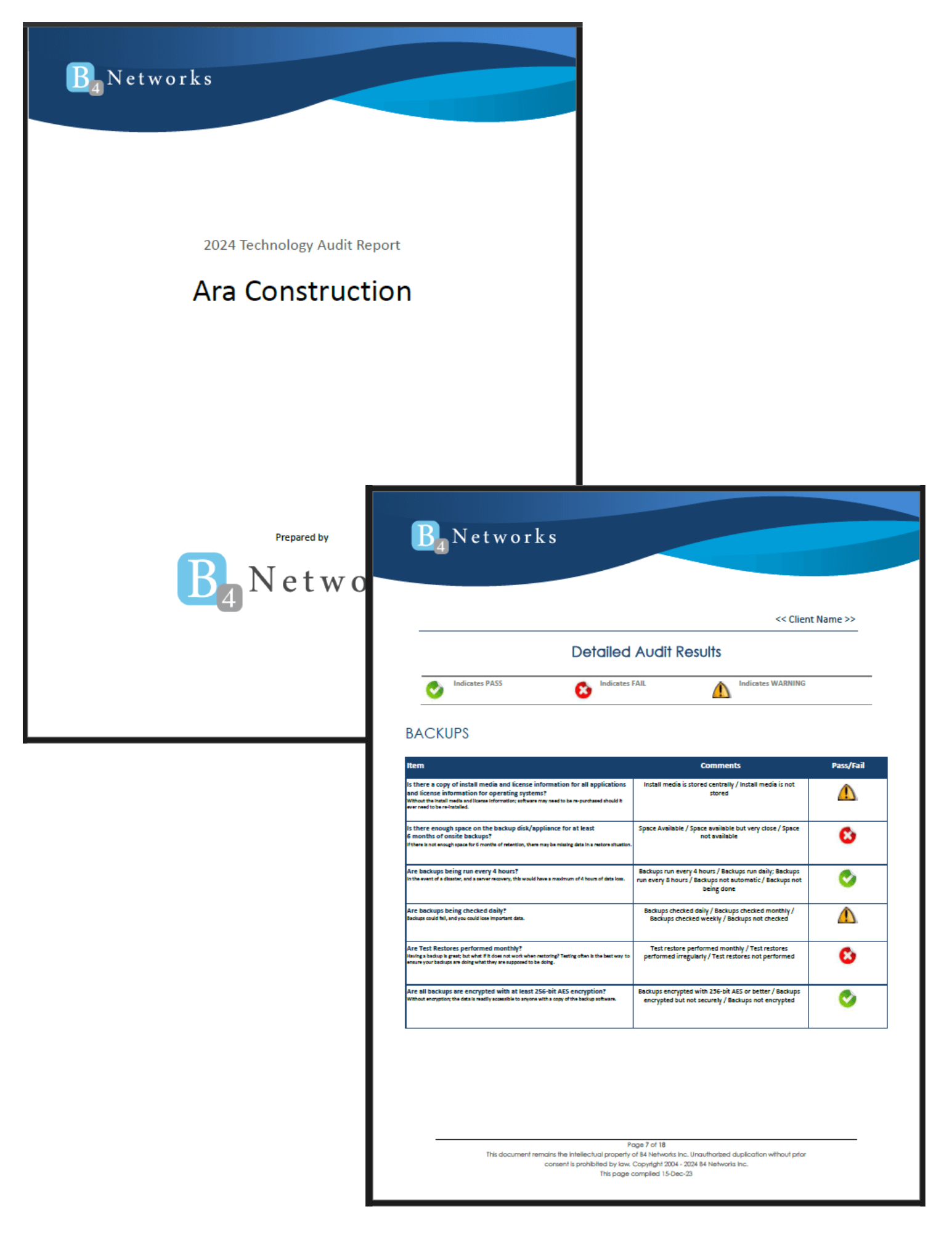
Myth 4: "We Have Backups, So We're Covered"
Having backups and being able to recover from an outage are not the same thing. Ask yourself:
If ransomware affected your business tomorrow, could you restore your information? How long would it take? Which systems would need to come back first? When were your backups last tested?
An untested backup can create a false sense of security. You do not want to discover that files are missing, a backup is corrupted or recovery takes much longer than expected when your business is already dealing with an incident.
The reality: A backup is only useful if you can successfully recover from it.
Myth 5: "Cybersecurity Is IT's Responsibility"
Your IT team or IT provider plays an important role in protecting your business. But they cannot control every decision an employee makes. Cybersecurity happens every time someone opens an email, clicks a link, shares information, approves an MFA request or responds to an unusual message.
That is why cybersecurity awareness training matters.
Employees do not need to become cybersecurity experts. They need to know how to recognize something unusual, verify suspicious requests and quickly report potential incidents.
The reality: Cybersecurity works best when your technology and your people are working together.
Myth 6: "We'll Know What to Do If Something Happens"
Imagine employees arrive on a Tuesday morning and suddenly cannot access important files. What happens next? Should everyone shut down their computers? Who contacts IT? How will employees communicate if normal systems are unavailable? When does your cyber insurance provider need to be contacted? Who communicates with customers, residents, families, vendors or other stakeholders?
Those are difficult decisions to make while an incident is unfolding.
An incident response plan should establish responsibilities, communication procedures and next steps before an emergency occurs. Then it should be reviewed and practiced.
The reality: Your incident response plan should not make its first appearance during an actual incident. This is also the final point emphasized in the original blog.
How Can Businesses Improve Their Cybersecurity?
Strong cybersecurity is not about eliminating every possible risk. It is about understanding your risks and putting the right combination of technology, processes and employee awareness in place to reduce them. That is why cybersecurity should reflect how your organization actually operates.
Whether you are located in Niagara, Hamilton, Simcoe County, the GTHA or elsewhere in Southern Ontario, regularly reviewing your cybersecurity can help identify assumptions and gaps before a cyber incident exposes them for you.
Cybersecurity Awareness Starts With Knowing the Facts
Cybersecurity myths are appealing because they make us feel protected.
"We're too small."
"We have backups."
"We use MFA."
"Our IT provider handles it."
But cybersecurity is rarely that simple. At B4 Networks, we help businesses understand where their cybersecurity stands, identify potential gaps and put practical protections in place that reflect the way they actually operate.
Not sure whether your cybersecurity is as strong as you think it is? Let's take a look.
Book a discovery call or call 905-228-4809 (Niagara) or 705-885-0993 (Barrie). We'll help you understand what's protecting your business, where there may be gaps and what you can do to strengthen your cybersecurity.